


Nanotechnology In Medicine
Description
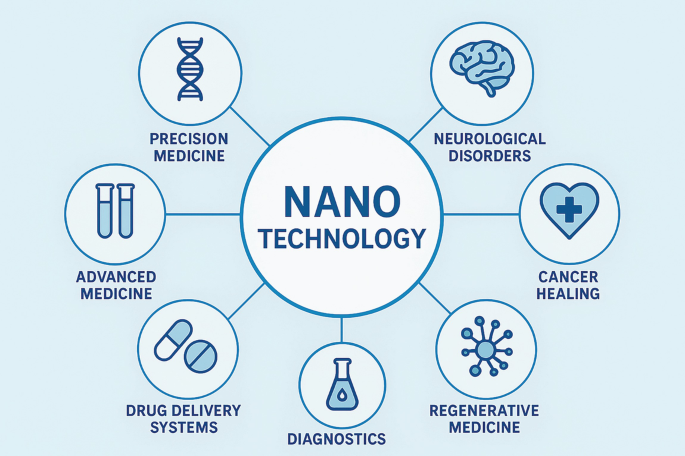
Nanotechnology in medicine, often called nanomedicine, involves manipulating materials at the nanoscale (1 to 100 nanometers) to prevent, diagnose, and treat diseases. This microscopic approach revolutionizes healthcare by enabling pinpoint accuracy, earlier disease detection, and highly personalized treatments while minimizing harm to healthy tissues.
Key Features
-
1Targeted Drug Delivery
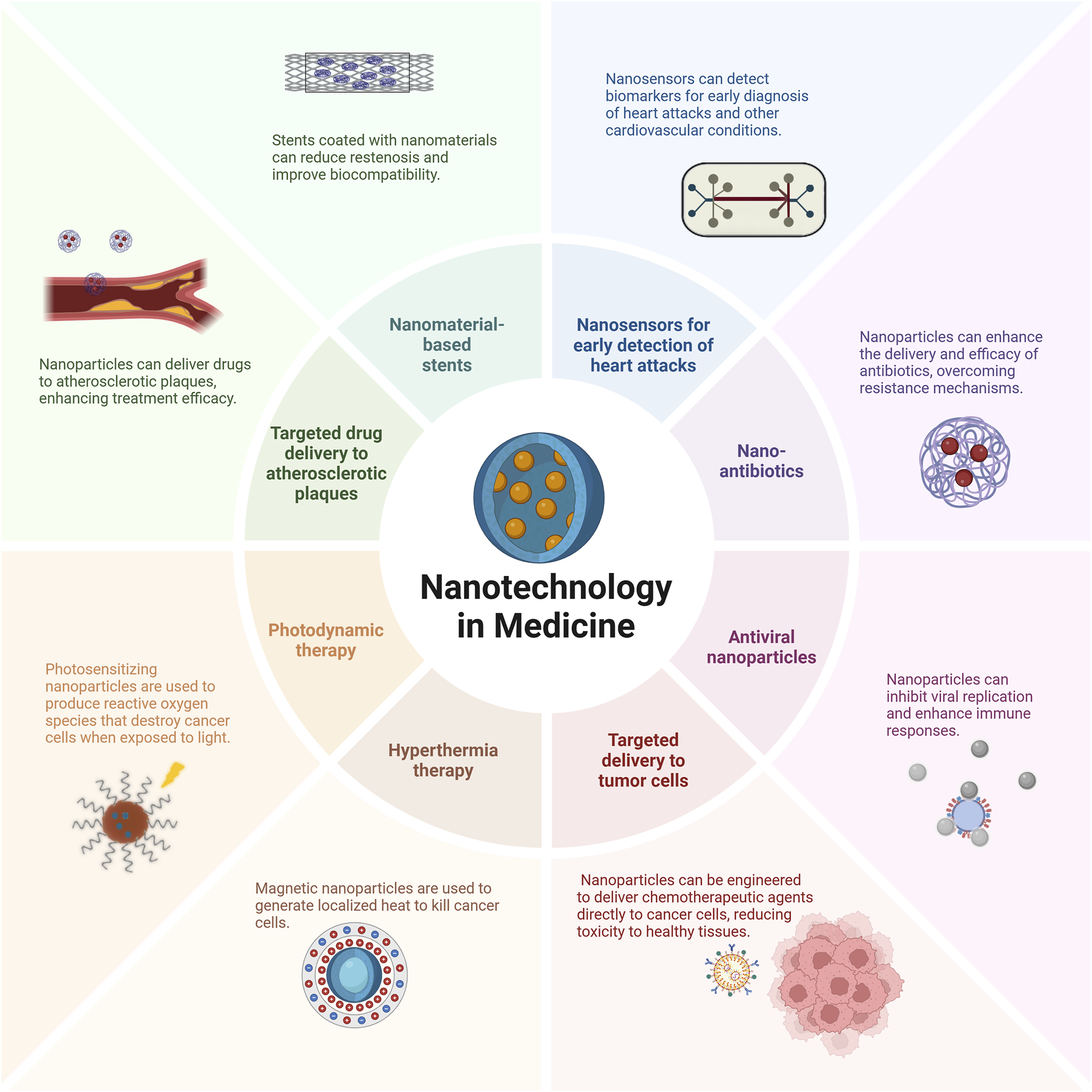
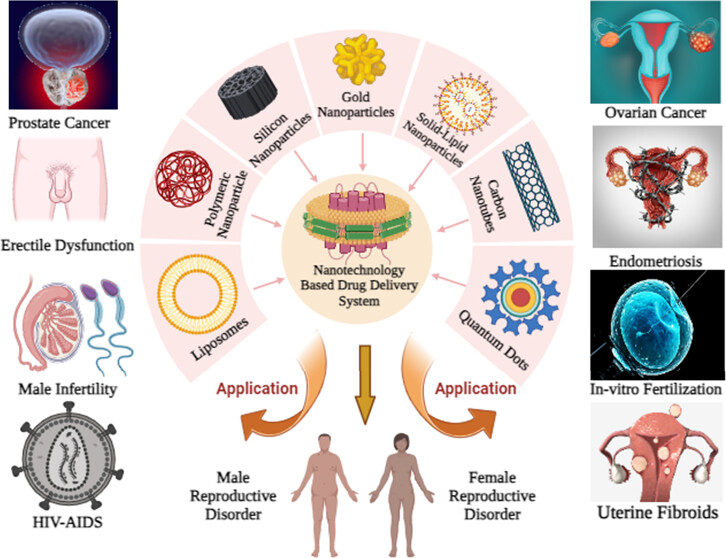
Nanocarriers (like liposomes or polymer nanoparticles) encapsulate drugs and transport them directly to diseased cells. For instance, in cancer treatment, these particles specifically latch onto tumor biomarkers, increasing drug concentration at the disease site and sparing healthy tissue from the harsh side effects of chemotherapy.
-
2Advanced Diagnostics & Imaging
Nanosensors and contrast agents (such as gold nanoparticles) can detect molecular changes and disease biomarkers at extremely low concentrations, long before traditional symptoms appear. This allows for rapid, point-of-care testing.
-
3Regenerative Medicine
Nanomaterials serve as scaffolds to support the repair and growth of tissues, helping to rebuild bone, cartilage, skin, and blood vessels. It also improves the biocompatibility of implants, allowing them to integrate seamlessly with the body's natural tissues.