


IoT in Agriculture
Description
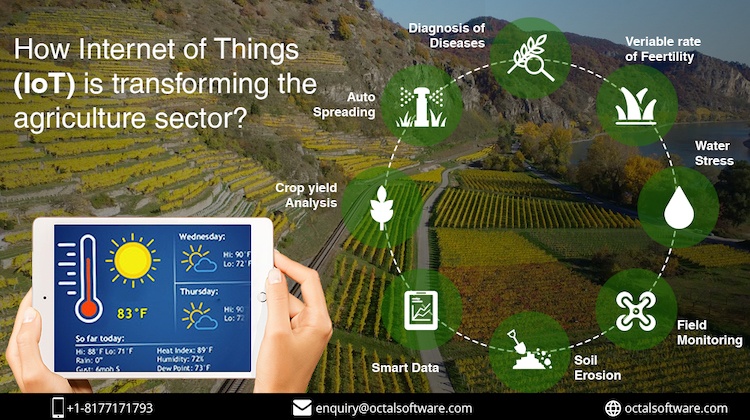
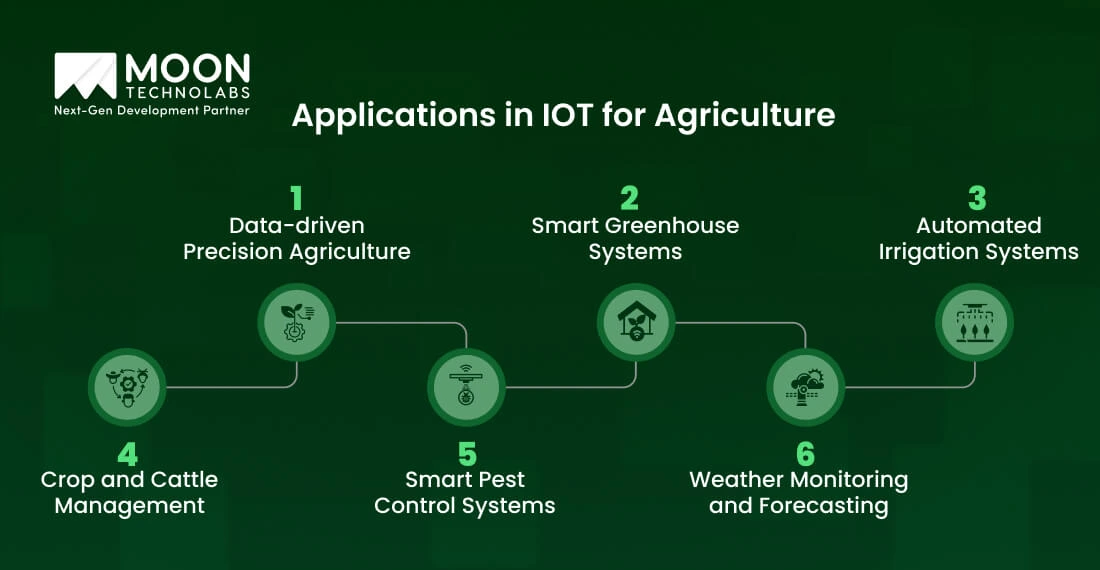
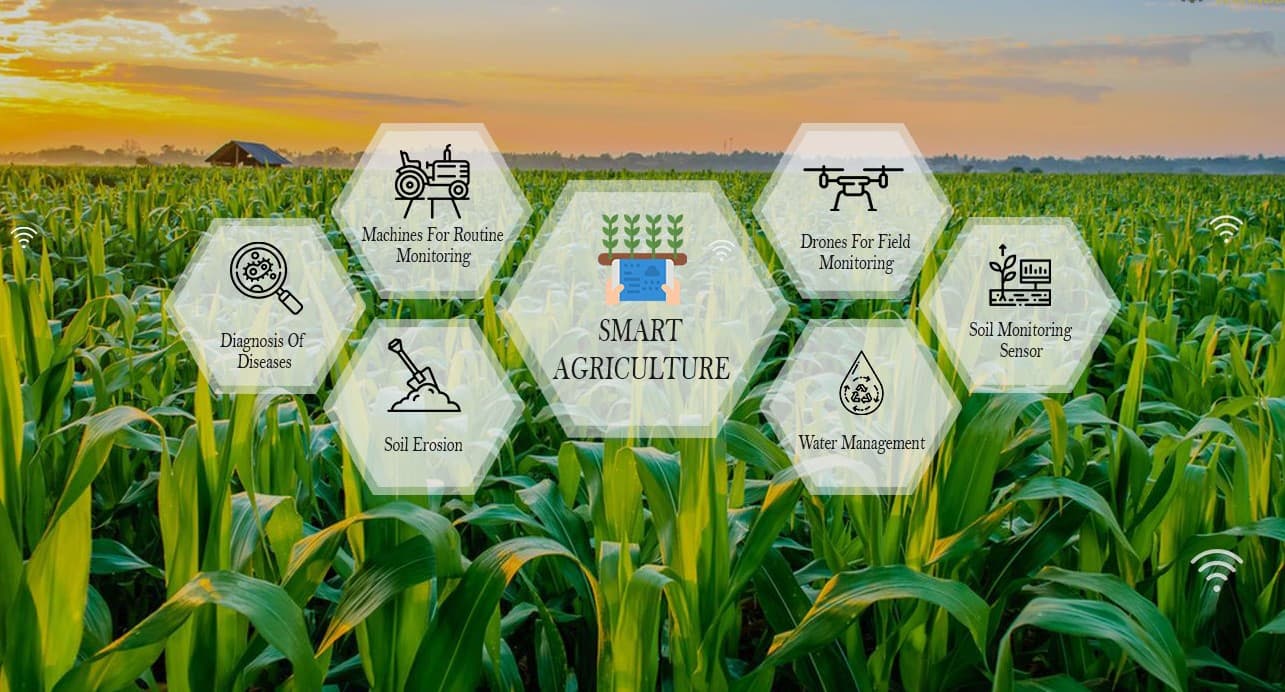
The rise of agricultural IoT has revolutionized farming, offering smart solutions that improve efficiency, sustainability, and productivity. IoT in agriculture connects sensors, drones, and machinery to automate remote processes and provide real-time insights into soil health, weather patterns, and crop conditions. These smart farming technologies help farmers monitor livestock, automate irrigation, track equipment to reduce waste and optimize resources, and more.
- IoT in agriculture encompasses a broad range of activities — from precision farming that targets specific crop needs to supply-chain tracking to ensure food quality. By leveraging these smart agricultural technology, farms of all sizes can better position themselves for long-term success.
Key Features
-
1Precision Irrigation
Wireless soil moisture sensors track the exact hydration levels in the ground. Automated systems use this data to water crops only when necessary, preventing over- or under-watering.
-
2Drone-Based Crop Monitoring
Drones equipped with multispectral and thermal cameras scan vast fields in real-time. They identify pest infestations, plant diseases, or nutrient deficiencies long before they are visible from the ground.
-
3Livestock Tracking
Wearable biometric and GPS sensors monitor the vitals, feeding habits, and location of individual animals. This allows farmers to detect diseases early, minimize livestock mortality, and track herd movements.